News Cubic Studio

Truth and Reality

If way in road is not given to these vehicles while driving on the road, then a challan of Rs 10,000 will be deducted
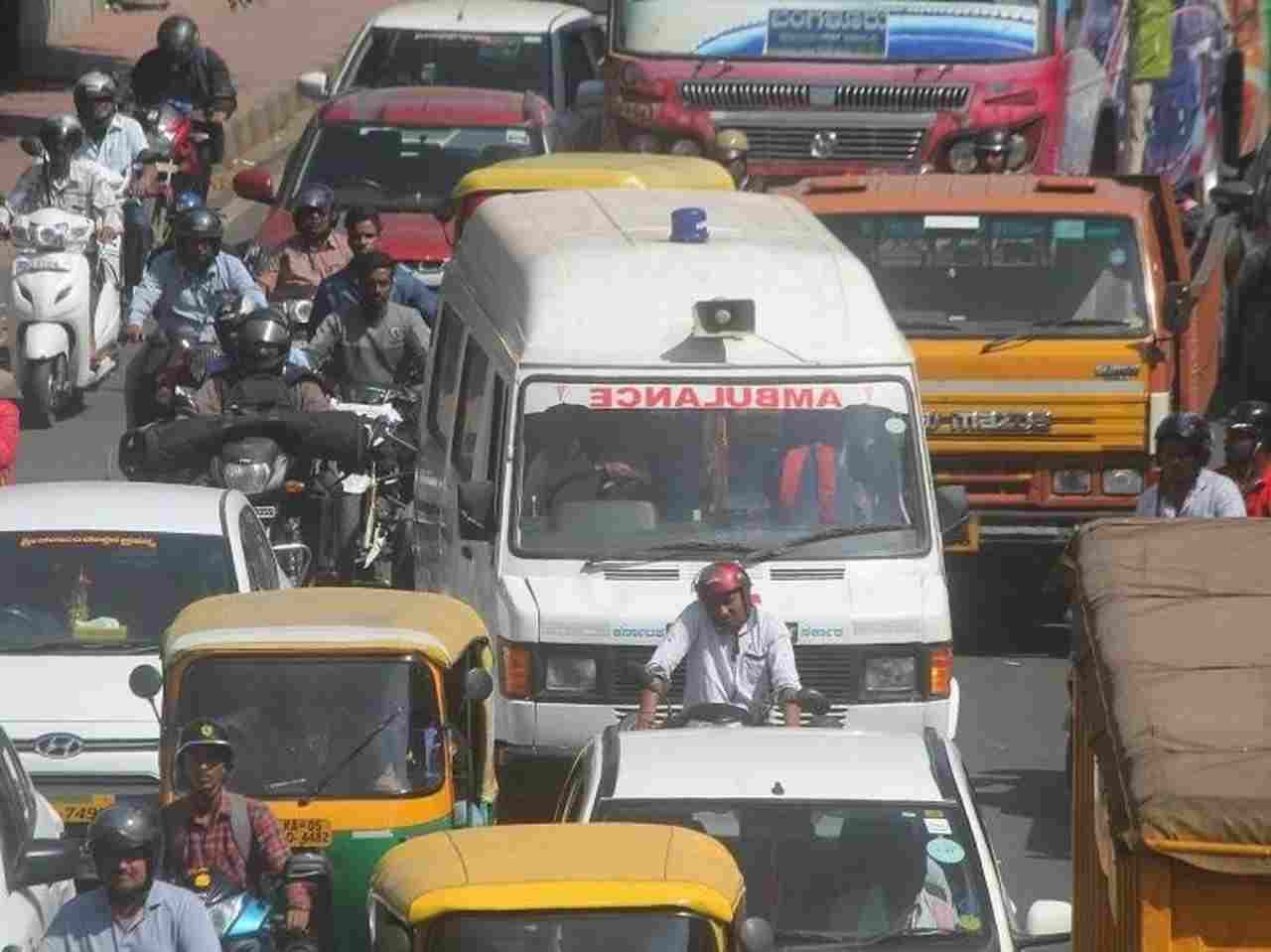
Everyone should follow the traffic rules while traveling on the road. Your challan can be deducted for not following the traffic rules. Not only this, those who break traffic rules can also be jailed. However, many times it happens that people are not aware of some rules and they unknowingly violate the traffic rules. This is also a serious matter. Those traveling on the road must be aware of the traffic rules. In such a situation, today we will give information about such a traffic rule for you, for violating which your challan of 10 thousand rupees can be deducted.

Give way to emergency vehicles

This rule is related to giving way to emergency vehicles. According to the existing traffic rules, any motor vehicle driver is required to give way to overtake emergency vehicles i.e. if you see an emergency vehicle on the way, which is behind you, then it should give way to overtake immediately. Failure to do so may result in your challan being deducted. Do not violate this rule. If caught doing so, a fine is certain.

Challan will be deducted under section 194(e) of the amended MV Act

It is mandatory to give way to emergency vehicles like fire engines and ambulances. Under the Motor Vehicles (Amendment) Act, 2019, motorists can be fined up to Rs 10,000 for not giving way to emergency vehicles. Challan is deducted under section 194 (e) of the amended MV Act. This section deals with the fine for not giving free passage to the vehicles of emergency services like fire brigade or ambulance on the road.
See also  The Union Cabinet, chaired by the Prime Minister Shri Narendra Modi has approved anAgreement between the Republic of India and Saint Vincent and The Grenadines for the Exchange of Information and Assistance in Collection with respect to Taxes. Details of the Agreement: i) This is a new Agreement between the Republic of India and Saint Vincent and The Grenadines. There was no such agreement in past between the two countries. ii) Agreement mainly proposes to facilitate exchange of information between the two countries and to provide assistance to each other in collection of tax claims. iii) Agreement also contains tax examination abroad provisions which provide that a country may allow the representatives of the other country to enter its territory (to the extent permitted under its domestic laws) to interview individuals and examine records for tax purposes. Impact: Agreement between the Republic of India and Saint Vincent and The Grenadines will help in facilitating the exchange of information between the two countries including sharing of information held by the banks and other financial institutions encompassing the information regarding the legal and beneficial ownership. It will also facilitate the assistance in collection of the tax claims between the two countries. Thus, it will strengthen India's commitment to fight offshore tax evasion and tax avoidance practices leading to generation of unaccounted black money. Background: There was no such agreement with Saint Vincent and The Grenadines in the past and India was negotiating this agreement since a long time. Finally, Saint Vincent and The Grenadines agreed to conclude this agreement with India which will promote tax cooperation between the two countries through exchange of information and assistance in collection of outstanding tax claims between the two countries.