Pakistan’s economy receives support from the World Bank; a sum of $700 million has been approved
b
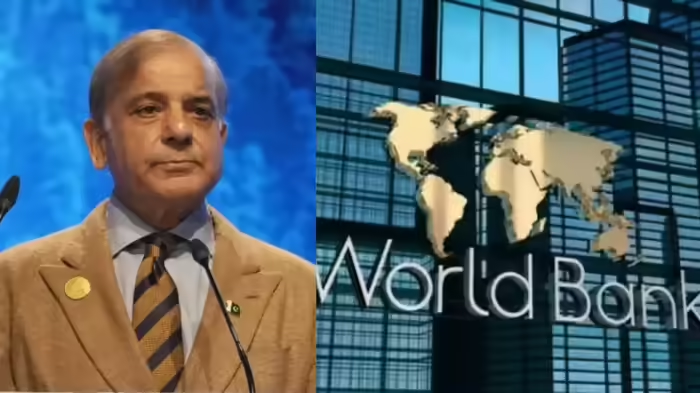
The World Bank has once again stepped in to help Pakistan’s struggling economy. The World Bank has approved $700 million in financing for Pakistan under a multi-year initiative. This amount is intended to support Pakistan’s macroeconomic stability and service delivery. Of this amount, $600 million will be for federal programs and $100 million for provincial programs in Sindh.
This approval comes after the World Bank provided a $47.9 million grant in August to improve primary education in Punjab. The $700 million in financial assistance will be provided under a multi-year plan to improve Pakistan’s economic stability and government services.
How the funds will be spent
According to a report by Dawn, Pakistan will receive this amount under the ‘Public Resources for Inclusive Development – Multiphase Programmatic Approach’ (PRID-MPA), under which it could receive up to a total of $1.35 billion. This assistance comes at a time when Pakistan urgently needs to strengthen its economy and improve service delivery.
According to the World Bank, this fund will help Pakistan increase its domestic revenue and use it transparently. Under this plan, funding for schools and clinics will be secured. The tax system will also be made fairer, and better data will be available for decision-making. This will also increase public trust in government operations.
Pakistan’s economy in trouble
The World Bank’s Country Director for Pakistan, Bolorma Amgaabazar, said that Pakistan needs to mobilize more domestic resources to move towards inclusive and sustainable development. It must ensure that these resources are used efficiently and transparently to deliver results for the people.
Tobias Akhtar Haque, the World Bank’s Lead Country Economist for Pakistan, stated that strengthening Pakistan’s fiscal foundations is essential for restoring macroeconomic stability, delivering results, and strengthening institutions. A report by the IMF and World Bank in November stated that the country’s fragmented regulation, opaque budget, and political interference were hindering investment and weakening revenue.