
This serious illness has terrified us! 19 people have died from brain-eating amoeba, and these people are most at risk.

b


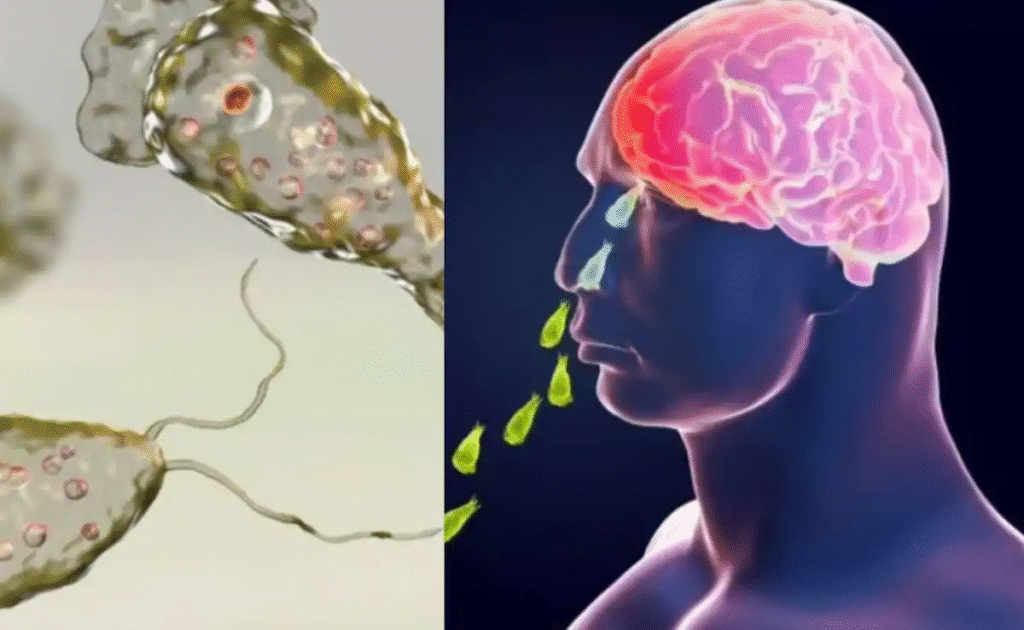
Disturbing news is emerging. Cases of Primary Amoebic Meningoencephalitis (PAM), or brain-eating amoeba, are increasing in Kerala, raising concerns among health officials. PAM is a brain infection with a high mortality rate.
This disease is caused by Naegleria fowleri, also known as the brain-eating amoeba. This year, approximately 61 cases have been reported in Kerala, with 19 deaths. Many of these deaths have occurred in the past few weeks.
Brain-Eating Amoeba Spreading in Kerala
Kerala Health Minister Veena George stated that the state is facing a serious public health challenge. Initially, the infection was concentrated in districts like Kozhikode and Malappuram, but is now gradually spreading throughout the state. Patients include children as young as three months old and the elderly.
He said, “Unlike last year, this time we are not seeing clusters linked to a single water source. These are isolated cases, and this has made our epidemiological investigation difficult.”
What is PAM, or Brain-Eating Amoeba?
A Kerala government document states, “This infection destroys brain tissue, leading to severe brain swelling and death in most cases. PAM is rare and usually occurs in healthy children, adolescents, and young adults.”
The document further states that “warm, especially stagnant, fresh water” has been identified as a carrier of the “brain-eating amoeba.” The amoeba’s entry point is through the olfactory mucosa and cribriform plate, and oral consumption of contaminated water has not been associated with symptomatic illness. People who swim, dive, or bathe in ponds or streams contaminated with the amoeba are at higher risk of infection.
Global Warming Increasing Risk
The government document highlights how global warming is increasing this risk. It states, “Climate change is increasing water temperatures and, as a result of warming, more people are using water for recreation, increasing the risk of contracting this pathogen. This infection does not spread from person to person.”
What are the symptoms of PAM? Brain-Eating Amoeba Symptoms
It has a high mortality rate due to its difficulty in treatment. Its symptoms are similar to those of bacterial meningitis, including headache, fever, nausea, and vomiting.
The document states that “until other common causes of meningitis are ruled out and treatment for PAM is considered, it is often too late to prevent the patient from developing cerebral edema, which rapidly develops and leads to death.”
Symptoms More Common in Swimmers
PAM is more common during warmer months and in people with a history of swimming, diving, and bathing in warm, usually stagnant, freshwater. Symptoms can appear between one and nine days, and their rapid onset can range from a few hours to 1-2 days. It states, “The neuro-olfactory pathway provides N. fowleri rapid access to the brain and, as a result, impairs the adaptive immune response, leading to an acute course of the disease.”
What is the treatment for PAM?
“This suggests that early diagnosis of PAM and timely initiation of an antimicrobial cocktail can be life-saving. The rarity of the disease, delays in diagnosis, the acute clinical course, and difficulties in making an early diagnosis have hampered the evaluation of drug treatments,” the document states.