Uttarakhand: Dhami takes a tough stance on delays in resolving SC/ST atrocity cases; issues directives for action within a set timeframe
a
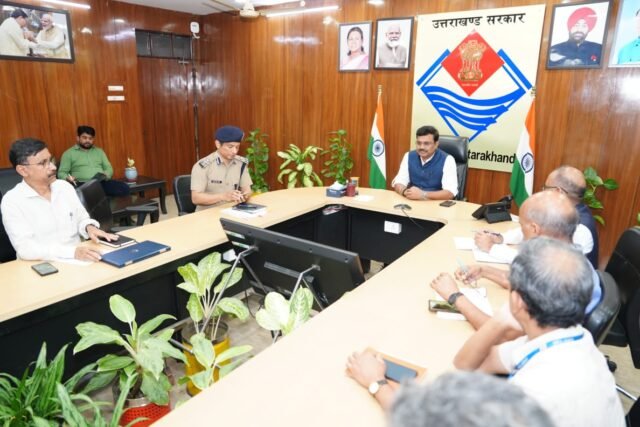
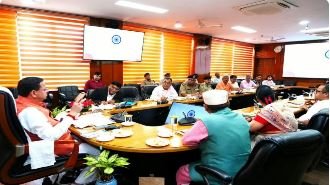
A meeting of the State-Level Vigilance and Monitoring Committee, constituted for the effective implementation of the Scheduled Castes and Scheduled Tribes (Prevention of Atrocities) Act, 1989, was held on Tuesday at the Secretariat under the chairmanship of Chief Minister Pushkar Singh Dhami. The Chief Minister directed officials to review pending cases and ensure their disposal within a stipulated timeframe.
The Chief Minister stated that every individual affected by atrocities must receive timely justice, security, dignity, and their due rights. While reviewing the reasons for delays in investigating cases pending since 2024, instructions were issued to resolve serious and long-standing cases on a priority basis. Directives were given to the police, administration, and prosecution departments to take effective action through mutual coordination and to regularly review cases pending in special courts.
Dhami emphasized that there should be no delay in the disbursement of admissible relief amounts to victims. Cases where the provision of relief has been delayed are to be reviewed separately. Affected families should be provided with facilities such as medical care, education, security, and rehabilitation, in addition to financial assistance. Instructions were issued to accord the highest priority to the safety of the victim and their family in serious cases.
The Chief Minister called for fixing accountability at a senior level in the districts to monitor cases related to the Act and directed that regular training be provided to police officers and personnel regarding the Act’s provisions and the investigation of sensitive cases. The Social Welfare, Police, and Prosecution departments were instructed to organize such training sessions periodically.
The meeting also emphasized developing a digital monitoring system at the government level to track case investigations, court proceedings, relief payments, and other forms of assistance. Directives were issued to conduct awareness campaigns in rural and remote areas regarding the provisions of the Act, legal rights, and the assistance available to victims. 189 cases in 2024 and 157 in 2025
It was reported in the meeting that 189 cases were registered under the Act in 2024, 157 in 2025, and 116 cases up to September 15, 2026. Of the cases registered in 2026, 25 are currently under investigation.
Financial assistance amounting to ₹228.71 lakh was provided to 205 victims in the 2024-25 financial year, ₹143.16 lakh to 127 victims in 2025-26, and ₹99.528 lakh to 104 victims up to September 18 in the 2026-27 financial year. The meeting also noted that regular review meetings regarding these cases are being held at the district level, chaired by the Chief Secretary and District Magistrates.